
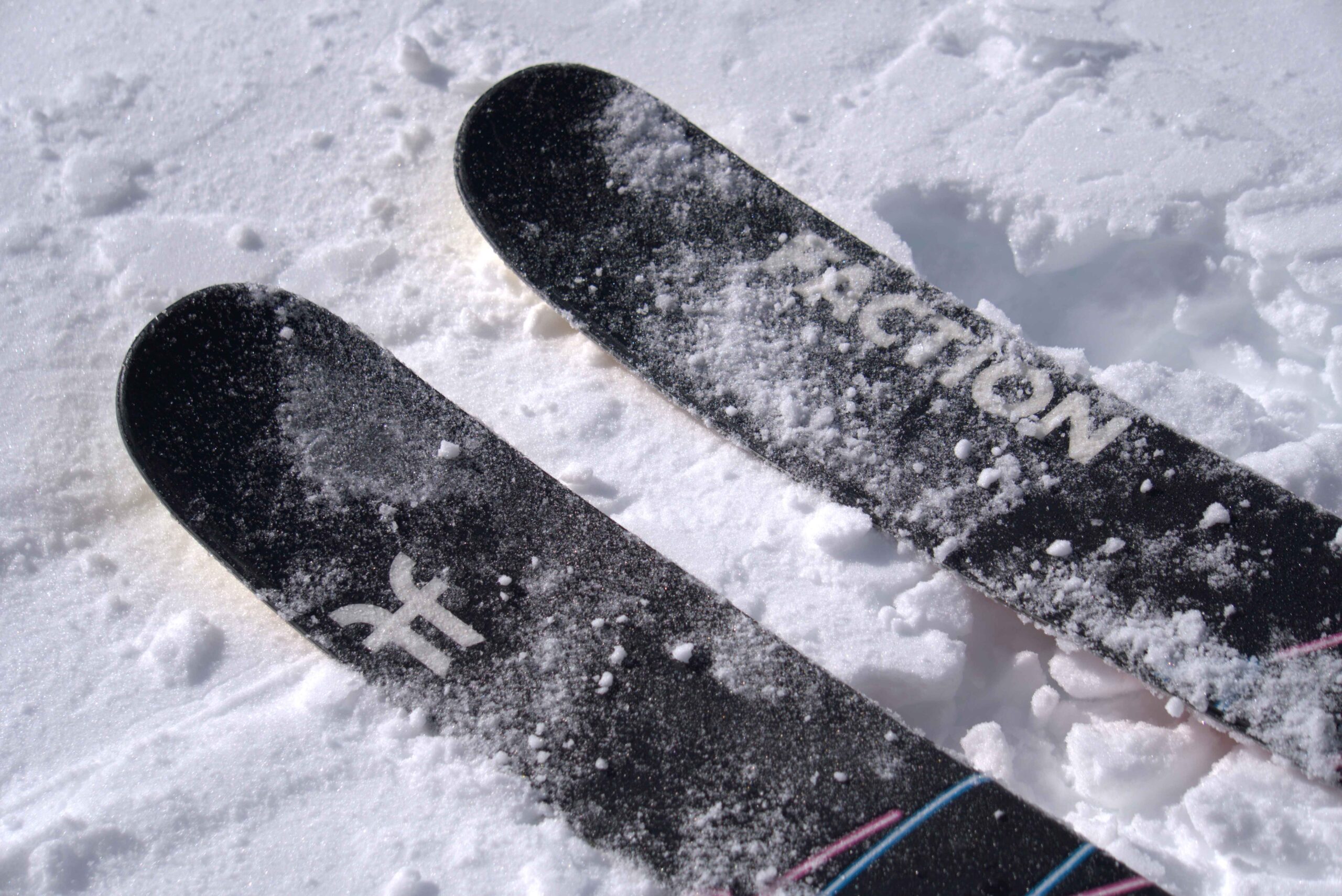
Filming or photographing in the mountains is unlike any other environment. The scale, the light, the weather, and the terrain all constantly shift. When skiing is involved, everything becomes even more dynamic.
Mountains are both beautiful and unforgiving. They offer incredible visual depth, but they demand adaptation, patience, and anticipation. You are not just capturing action, you are working within a living landscape.
Light, Snow, and Contrast
Snow is visually powerful, but technically challenging.
Its brightness can easily overexpose an image, flatten details, or create harsh contrasts. At the same time, mountains offer some of the most beautiful natural light, especially during early morning or late afternoon.
When shooting ski content, I pay particular attention to:
- Preserving detail in highlights
- Maintaining texture in the snow
- Using shadows to create depth
- Letting the natural light shape the scene
The goal is not to overpower the landscape, but to work with it.
Movement and Anticipation
Skiing is fast, fluid, and unpredictable. Unlike controlled studio environments, you often get one chance to capture a moment.
This requires anticipation more than reaction.
Understanding the skier’s line, predicting turns, positioning yourself safely, and thinking ahead about framing, all of these elements are part of the process. Good mountain visuals come from preparation, not luck.
In action sports, timing is everything. But timing in the mountains is also about rhythm, knowing when to let the moment unfold naturally.
Letting the Landscape Breathe
It’s tempting to focus only on tricks, speed, and performance. But in mountain environments, the setting is as important as the athlete.
Wide shots, slow camera movements, and static frames of the landscape add scale and context. They allow the viewer to feel the altitude, the silence, the cold air.
In ski filmmaking or photography, nature should never be just a backdrop, it should be part of the narrative.
Sometimes, the most powerful shot contains no skier at all.
Preparation and Respect
Shooting in the mountains also means respecting the environment.
Weather conditions can change quickly. Equipment must be protected from cold and moisture. Safety should always come before creativity.
But beyond technical preparation, there is also a mindset: humility. Mountains remind you that you are not in control. You adapt, you observe, and you capture what the moment allows.
Beyond Action
Ski visuals are often associated with adrenaline and speed. While that energy is part of the experience, there is also another dimension, freedom, solitude, connection to nature.
Capturing skiing in the mountains is not only about documenting performance. It is about translating atmosphere.
When done intentionally, mountain photography and filmmaking become less about action and more about emotion.